We built SGP Waterproofing around one idea: a homeowner or property manager in District of Columbia, DC shouldn't have to wait three days for someone to look at a wet wall.

We're a licensed, insured Waterproofing outfit built around District of Columbia, DC properties specifically — the clay-heavy soil, the seasonal freeze-thaw cycles, the older basements with parged walls that were never meant to hold back a modern water table. Every technician on our crew has logged real hours crawling through wet crawl spaces, not just reading about them.
Our dispatchers know the difference between a slow seep that can wait until morning and an active flood that can't, and they route calls accordingly. That triage system is the reason our average District of Columbia, DC response time beats most of the national franchises operating in the same zip codes.
Soil composition changes how much hydrostatic pressure builds against a foundation wall, and District of Columbia, DC's mix of clay-heavy and sandy soils behaves differently depending on the neighborhood, sometimes block to block. A crew that hasn't worked the area tends to size drainage systems using generic assumptions instead of what's actually under the yard.
Because we've worked enough District of Columbia, DC basements to recognize patterns, we can often tell within the first ten minutes of an inspection whether a problem is isolated or connected to a larger drainage issue affecting the whole block. That context shapes whether we recommend a small crack repair or a full interior system.
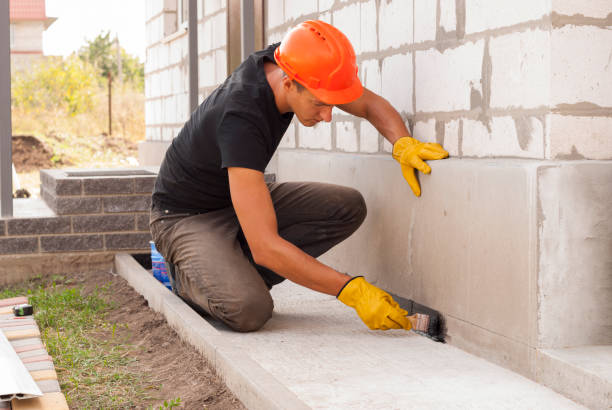
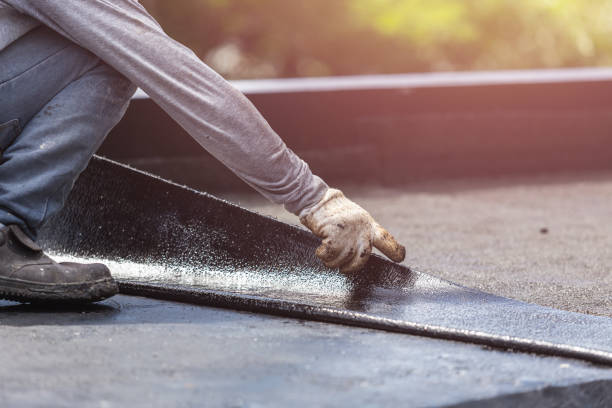
Most District of Columbia, DC water intrusion problems don't start as a flood — they start small, and they get worse on a schedule. Here's what our technicians look for on a first inspection.
A persistent musty smell almost always means moisture is present somewhere in the wall assembly, even if you can't see a wet spot yet.
Those white, chalky mineral deposits on block or poured concrete walls are salt left behind after water has migrated through the concrete and evaporated.
A crack that's a sixteenth of an inch wide today can become a sixteenth of an inch wider by next spring if the pressure behind the wall isn't relieved.
Drywall that feels soft, bubbles, or shows a tide line near the floor is already absorbing groundwater — by the time you see it, the insulation behind it is usually soaked too.
A window well that fills with water during heavy rain is putting direct pressure on the glass and frame, and it's one of the most common entry points we find in older District of Columbia, DC homes.
Puddling near the foundation that doesn't drain within a few hours usually means grading, gutters, or a failing perimeter drain — and it's the fastest path to a flooded basement.
We scope every District of Columbia, DC job in person before quoting it, because two houses with the same symptom rarely need the same fix. These are the five services that make up most of our workload.
Active flooding gets priority dispatch. We arrive with submersible pumps, air movers, and moisture-mapping tools to stop the water first and diagnose the long-term fix second.
For finished basements we route the drain tile beneath the existing slab edge, which limits how much flooring has to come up during installation.
We coordinate directly with building engineers and HOA boards so the scope, timeline, and access requirements are agreed on before a crew ever shows up on-site.
If a wall is bowing rather than just cracked, we'll flag that during the inspection since injection alone won't address a structural deflection issue.
We install heavy-gauge vapor barriers, seal foundation vents, and add a dedicated sump basin so a damp District of Columbia, DC crawl space stops feeding moisture into the floor joists above it.
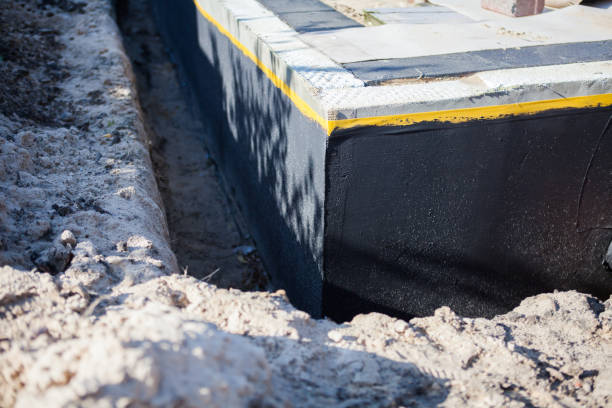
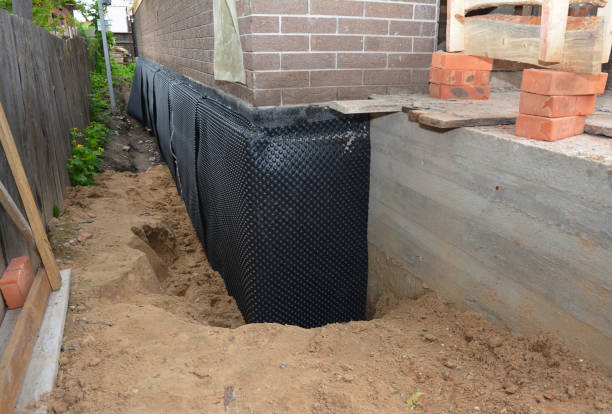
Sometimes the fix isn't inside the wall at all — regrading the soil away from the foundation and adding a French drain can solve a moisture problem before water ever reaches the block.
You describe what you're seeing and we ask a few questions to gauge urgency before anyone gets in a truck.
We walk the interior and exterior with a moisture meter and flashlight, tracing water back to its actual entry point instead of guessing.
You get a flat-rate, itemized quote before any work starts — no verbal estimate that changes once the crew shows up.
Once installation wraps, we test the sump pump under load and walk you through the warranty paperwork before we leave the site.
You'll know the total cost before we start — no hourly billing, no surprise add-ons once the walls are already open.
Same-day availability isn't guaranteed on every job, but our District of Columbia, DC dispatch is built to prioritize it whenever the situation calls for it.
Our crews run truck-mounted extraction units, moisture meters, and thermal imaging cameras — not a shop-vac and a guess.
If a sealed crack reopens or a sump system underperforms within the warranty window, we come back and make it right at no extra charge.

Every interior drainage system, sump installation, and crack repair we complete in District of Columbia, DC comes with a written, transferable warranty — useful if you sell the property before the coverage period ends.


Our District of Columbia, DC coverage spans dozens of cities and the unincorporated areas between them. If you're unsure whether we reach your address, call and we'll tell you honestly.

Visit any city page on this site for the specific zip codes and neighborhoods we cover in that community, or call +1-866-476-1348 and a dispatcher can confirm coverage for your address directly.

"Our basement flooded during a storm at 2am and someone actually picked up the phone. The crew had pumps running before sunrise and came back two days later to install the drain tile system."
— District of Columbia, DC Homeowner
"The crack in our basement wall had been leaking for a year before we finally called. Injection took less than an afternoon and it's been dry since."
— District of Columbia, DC Seller
"The crawl space under our addition never dried out properly. Full encapsulation with a dehumidifier fixed it in one visit."
— District of Columbia, DC Homeowner
"Our old sump pump died during the biggest storm of the year and we got water in the finished basement. They replaced it with a battery backup system so we're covered even during a power outage."
— District of Columbia, DC Customer
"Property management hired them to fix water coming through the garage ceiling. They scheduled the membrane work in phases so we never had to close the whole garage."
— District of Columbia, DC Property Manager
"They found the actual source of the dampness instead of just recommending a dehumidifier and calling it done. Been dry for over a year now."
— District of Columbia, DC Homeowner
For active flooding we prioritize same-day dispatch across our District of Columbia, DC coverage area; routine inspections usually book within 48 hours.
Yes — every job gets a flat-rate, written quote before work begins, and that number doesn't change once the crew is on-site.
Emergency crews are equipped to stabilize the situation immediately, then schedule the permanent fix once the immediate flooding risk is under control.
Cost depends on square footage, the type of system needed, and whether the fix is interior drainage, exterior membrane work, or both — we won't quote a number without an in-person inspection first.
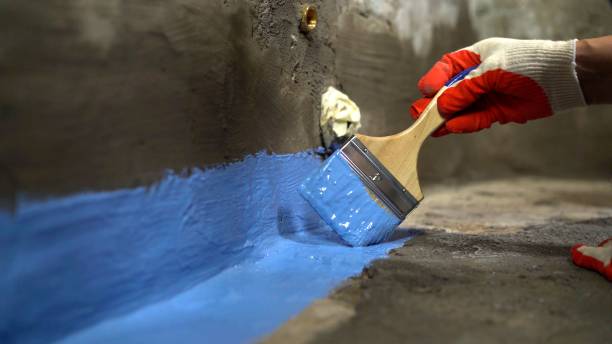
We repair cracks of nearly any size — hairline cracks are often the easiest and least expensive to seal with polyurethane or epoxy injection before they widen.
The right system depends on access, budget, and what's actually driving the water in — we'll explain the trade-offs before you decide.
Most residential interior drain tile or sump installations finish in one to three days; larger commercial membrane projects can take longer depending on square footage.
Documentation from our inspection often helps speed up the claims process, but final approval is always the insurer's call.
A French drain without a sump pump just relocates water to one spot; the pump is what actually discharges it away from the home.
Warranty length and coverage vary by service type, and we'll spell out the specifics in writing before the job starts.
We assess the water depth and source first, since active groundwater intrusion changes how we sequence the encapsulation work.
Yes — our commercial work covers parking garages, retail basements, and multi-family buildings, usually scheduled in phases to minimize tenant disruption.
Call now for a free inspection and a flat-rate quote before anything gets worse.
Call +1-866-476-1348© SGP Waterproofing. All rights reserved.